Monday, March 24, 2014

Bainbridge Bakers marks 28th anniversary with a preview peek of new second location - BI Review

by CECILIA GARZA,  Bainbridge Island Review Staff Writer 
Mar 21, 2014 at 11:29AM


After 28 years of serving coffee and baked goods on Bainbridge, it’s time for Bainbridge Bakers to spread its wings — that is, to the other end of Winslow.

The bakery will celebrate its 28th anniversary this Sunday with music and a “peek-a-boo preview” tour of their new location near the Bainbridge Island Museum of Art.

“The establishment of the Bainbridge Island Museum of Art and the Kids Discovery Museum is one of the most important and notable events to occur on the island in many years,” said bakery owner Mike Loudon. “We are proud and honored to be able to support the patrons and visitors of these fine new facilities.”

Bainbridge Bakers will continue business at its original location at the Winslow Green, but come April, it will begin pouring coffee on the other end of Winslow Way, too.

At Island Gateway, nestled next door to Avalara and the museums, will be a full bakery and cafe serving all of the same Bainbridge Bakers favorites.

The bakery invites residents to join in its 28th anniversary celebration this Sunday, March 23 by welcoming the upcoming opening of its new location.

The party will kick off at 10 a.m. with kiddie karaoke until noon at the original Bainbridge Bakers location.

Island band Paundy will take the floor from 11 a.m. to 1 p.m. for a live performance at the new location.

Their performance will be followed by local singer/songwriter Zach Fleury for another round of music back at the original Bainbridge Bakers from 1 to 3 p.m.

The party will continue until 6 p.m. at the bakery’s Winslow Green location.

Cake and preview tours of the new bakery will be provided.

CECILIA GARZA,  Bainbridge Island Review Staff Writer 
cgarza@bainbridgereview.com or 206-842-6613

Tuesday, August 27, 2013

Bainbridge Island Museum of Art in Photos

Photos of the Bainbridge Island Museum of Art by local photographer David Cohen


Monday, August 26, 2013

The Waypoint Park in Pictures

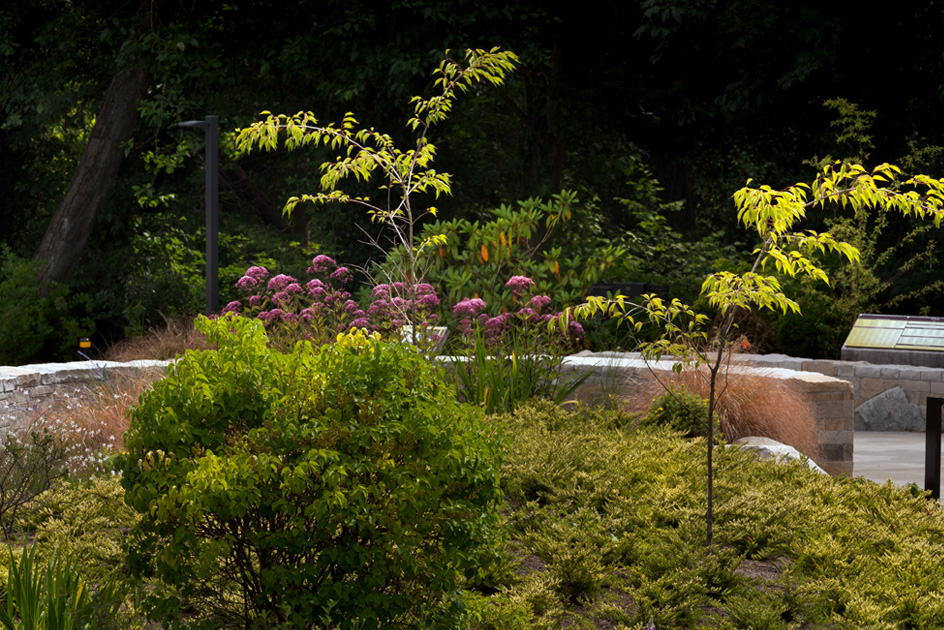
Nearly two years of effort on the part of over 50 volunteers has culminated with the opening of the award winning Waypoint park. Located at the corner of Winslow Way and Highway 305, on property co-owned by the City of Bainbridge Island and Kitsap Transit, The Waypoint is the first impression for Island visitors and a welcome home to returning residents. This project reflects the elemental character, history and sense of place that is Bainbridge Island.

Here are some great new photos of The Waypoint Park taken by local photographer David Cohen.


Wednesday, August 7, 2013

LETTER TO THE EDITOR - Let’s demand the highest ‘green design’

July 29, 2013 · 8:56 AM
CHRIS MCMASTERS
Bainbridge Island
 

To the editor:

Bainbridge Island is a leader in sustainability and green design. We have a number of architects, designers and community groups that work to create healthy, vibrant places. It’s brilliant. It’s something we all share and can celebrate.

For example, take a look at the Grow Community development sprouting up in Winslow: It meets stringent One Planet Living Program standards with highly efficient solar powered homes. The development is within walking distance of shops and transit and offers solar-powered cars for neighbors to share when longer trips are desired.

The new Bainbridge Island Museum of Art is another great example. While beautiful for many reasons, this new home for regional creative works serves as a small clean energy power plant. It uses both solar panels and a geothermal heat pump to produce its own clean electricity and like Kids Discovery Museum, it has a vegetated roof to minimize runoff. It will likely earn LEED Gold certification from the U.S. Green Building Council.

Another innovative green building is Wilkes Elementary School. Its geothermal technology is exposed in the media center so students can get a visual of the modern engineering hiding in the building walls and floor. Outside you’ll notice much of the pavement is different – it’s pervious. Instead of sealing the earth and carrying the goo that leaks from our cars into the Sound, the rain will slowly percolate through the pavement and process the toxins naturally. This is good news for those of us who like our seafood sans pollution. The architects in this project used The Living Building Challenge to guide their design.

Click here to read the rest of this letter -->

Wednesday, July 10, 2013

Business spotlight: Second location planned for bustling Bainbridge Bakers - KITSAP SUN


Mike Louden’s Bainbridge Bakers has grown so busy, he’s planning a second location at the Island Gateway development near the new Bainbridge Island Museum of Art. His current bakery is located in Winslow Green.

The new Bainbridge Bakers will occupy 3,000-square-foot space building under construction in the Island Gateway development.

Thursday, June 20, 2013

Bainbridge Island Museum of Art Opening

Here are some pictures from the opening of the Bainbridge Island Museum of Art on Friday.


Marty Sievertson and Craden Henderson from PHC Construction

A new, light-filled art museum for Bainbridge and West Sound - SEATTLE TIMES

SEATTLE TIMES
Originally published June 11, 2013 at 8:07 PM | Page modified June 11, 2013 at 8:41 PM

Five years in the making, the Bainbridge Island Museum of Art — with a focus on regional art, especially work from the western side of Puget Sound — opens June 14, 2013.


By Michael Upchurch
Seattle Times arts writer


How do you build an art museum from scratch?

Over the past five years, folks on Bainbridge Island have been figuring that out. And the fruit of their efforts, the Bainbridge Island Museum of Art (BIMA), opens on Friday.

The museum, just a short stroll from the ferry terminal, is almost the first thing you see as you make your way into Winslow. Resembling the prow of a glass ship, the 20,000-square-foot building dominates the corner where Highway 305 and Winslow Way East intersect.

BIMA is the brainchild of arts patron Cynthia Sears. After she and her husband moved to Bainbridge in 1989, she began collecting local artists’ work. But it bothered her that there was no public venue providing a full overview of what was happening in the local art scene.

Sears’ children were grown and she wasn’t working — so she realized, as she explained in a recent phone interview, that she had “the perfect opportunity to do something.”

By 2008 the museum site had been secured, and in 2009 the museum’s founding board was established. Matthew Coates soon came on board as architect, and the first thing he did was ask Sears about her vision for the museum.

Her reply made a big impression on him.

“I envision a library for art,” she said.

She went on to explain that she saw art as such an important part of the community that she felt people should have free access to it, all the time. Asked what she thought the building should look like, she said she didn’t know, but that she knew what she hoped reviews of the building would be like: “I want people to say: ‘It’s a little gem.’ ”

It is that. Two floors, each with its own spacious gallery, are open to the public. A curving staircase, open to the light, connects the gallery, creating a grand effect on a compact scale. Inside the “ship’s prow,” an aquatic-themed installation, made from recycled materials by Port Townsend artist Margie McDonald, looms in a trapezoid of glass looking down in the direction of the ferry terminal.

Greg Robinson has charge of the museum, and his duties as executive director are both curatorial and administrative. He brings a varied background to the job. Local arts-scene followers will know him as the former executive director of the Museum of Northwest Art in La Conner, Skagit County. But he got his master’s degree in public administration and spent his early career in hospital planning in New York. He came on board at BIMA in late 2010.

“The footprint of the building was designed,” he recalls. “The interiors weren’t completely planned, so I worked to help to find some of the programmatic needs inside.”

It took a $15.6 million capital campaign to get the project off the ground, of which $1 million remains to be raised. Getting people to fund an institution that doesn’t exist yet was, Robinson admits, a little trickier than soliciting funds for something already up and running.

Robinson is forthright about the museum’s mission: “We will be a collecting museum. ... We have the beginnings of a permanent art collection.” The focus, he adds, will be on artists who are lesser known or who haven’t had a “museum opportunity” yet.

“What we really want to do is curate here, from the region,” Robinson says, “with an emphasis, early on, on the West Sound.”

One of the museum’s two large galleries will display works from the permanent collection. The other is reserved for rotating shows that will be locally curated.

For the museum’s opening, seven exhibits will be on display. They include a selection from the permanent collection, a retrospective of work by Bainbridge artist/children’s book author Barbara Helen Berger, and “First Light: Regional Group Exhibition,” co-curated by Robinson and six guest curators.

One of Coates’ biggest design challenges was how to allow incoming light without damaging the artwork. Adjustable sun louvers, windows with built-in UV protection, internal mechanical blinds and movable walls will keep out damaging sun rays.

“At night,” Coates says, “the building’s going to glow like a jewel box, a beacon.”

Coates and the board went to great lengths to make the museum energy-efficient. Geothermal wells below the building and solar panels on its rooftop are connected to its heating system, reducing electric consumption. The building was designed to meet the standards for LEED Gold certification by the U.S. Green Building Council. If it gets the certification, it will be the first museum in the state to do so.

In addition to gallery spaces, the building includes an auditorium that seats 99, a classroom, archive/storage space and a small museum store. There’s parking for 180 cars on the site, but much of the foot traffic is expected to come from tourists and Seattleites making a day trip across the Sound.
Sears’ most earnest hope for the museum is that it will serve as a window into the vibrant local art scene and allow young artists in the region to get a foot in the door: “I would just love people to be able to appreciate the artists and the craft persons who are working around us now and give them attention and support while they’re still alive. And I think this is one way to do it.”

Michael Upchurch: mupchurch@seattletimes.com